Suicide
Suicide isn’t the most pleasant thing to talk about. But it’s necessary.
I know the intimate details all too well—the dynamics of PTSD, depression, and other disorders. I know how they can make you feel like a burden. Like you’re bothering people just by existing. You often don’t know when it’s appropriate to reach out—or if you even should.
The holidays can make it worse. After a few days of isolation, the mind plays tricks on you. You start to believe you’ve done something wrong, that people don’t like you. As the actual holiday gets closer, every heartbeat brings more pain, and all you want is for it to stop.
Then comes the shock. It’s like stepping into the Twilight Zone—like watching a movie where you’re the main character, but you’re not really there. You start thinking, planning, convincing yourself that everyone would be better off without you.
That’s when intervention is critical.
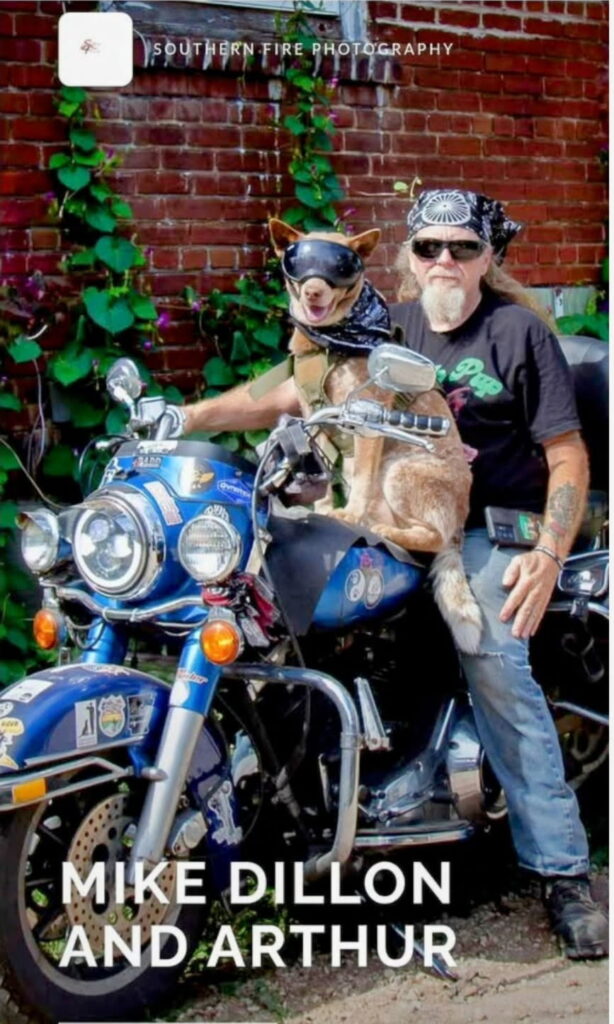
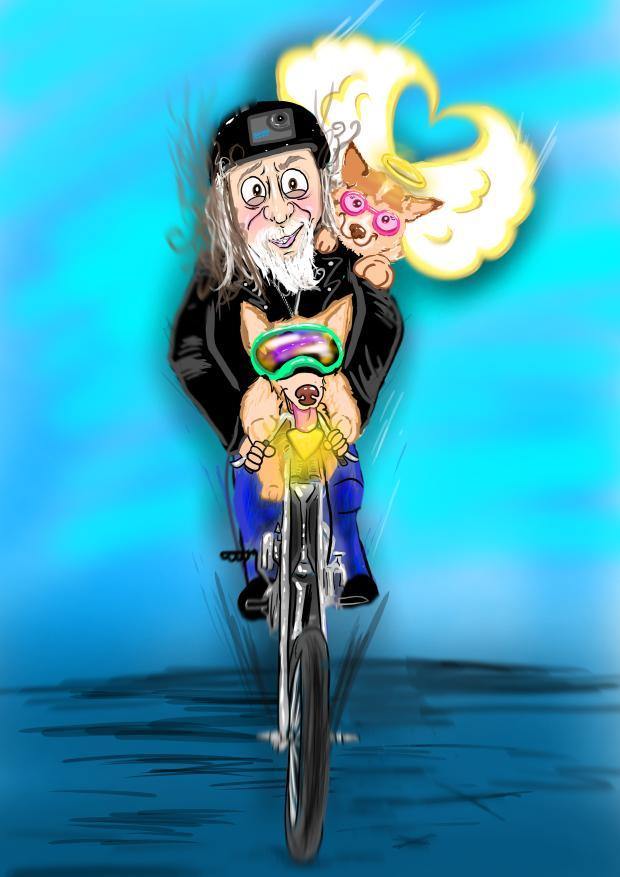
But if no one is watching, no one will know. And often, we make it hard for people to notice. We don’t want anyone interfering with the plan—not with hospital stays or heavy-duty meds. That’s where service dogs can be lifesaving.
They’re trained to respond when you cry, to lick your face, to sense your emotional shifts. You can’t lie to them—they feel your truth. You look into their eyes and feel ashamed of your thoughts, because you’ve made an unspoken promise to care for them. They need you.
Sometimes they’ll lay on you, applying pressure, grounding you. It’s like a cordless phone charger—transferring invisible energy straight into your body. It’s not a cure. But it’s something. And sometimes, that “something” is enough to keep you here.
That’s why I say: if you even suspect the holidays might trigger these feelings, get a dog. Prepare. Because people do depend on you—whether you can see it from the inside or not. People on the outside will be shattered, for generations.
Therapy and medication help—but they’re not always there at the moment you hit rock bottom. A service dog might be.
Speaking from personal experience—this has happened to me more than once, and not because I wanted it to. It’s a disease. Like any other disease, the longer you ignore it, the worse it gets. And yes, it peaks. And when it crashes on the other side, you may literally lose the ability to stop what your body is doing. The chemical storm in your brain takes over.
I’m not formally trained in psychology. But before putting this message out, I ran it by several people with advanced degrees—PhDs, Master’s level clinicians—who confirmed that what I’ve learned through life is valid and real.
So I say this with confidence: even without formal training, I am an expert—an expert by survival. And I hope that by sharing what I’ve lived through, I can help others survive too. I hope to help those who are struggling feel seen, and help their loved ones understand.